

Do you suspect that you have SIBO (small intestinal bacterial overgrowth)? If so, you might have symptoms like bloating, gas, excessive belching, stomach cramps, constipation or diarrhea. You may feel like everything you eat causes these symptoms to flare up.
Have you mentioned your discomfort to your doctor? They may or may not recognize the symptoms of SIBO. Most of the doctors I have seen, have not heard of SIBO. SIBO is often misdiagnosed as IBS because symptoms are similar. However, IBS affects the large intestine and SIBO is found in the small intestine. When I decided to see a Gastroenterologist to treat SIBO, I was first bombarded with many tests, including: a celiac test, a colonoscopy and an endoscopy which also tested for H. pylori. Your doctor may also want to rule out any of these conditions first. Personally, I found this very frustrating because by this point I had done quite a bit of research on my symptoms and there was no doubt in my mind that SIBO was my problem. It turned out, I was right.
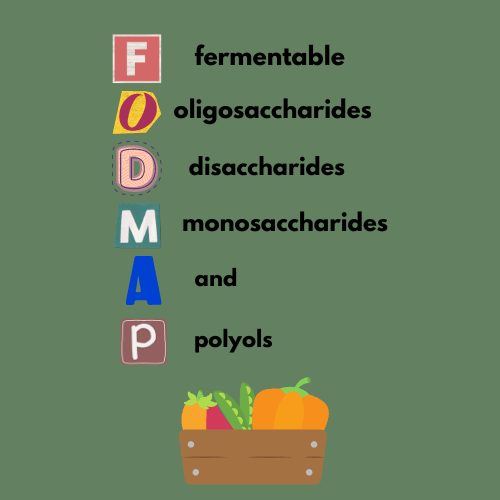
I had read a lot about treating SIBO naturally and quite honestly, I was scared of anti-biotics by this point. I was pretty sure anti-biotics were a factor in the cause of my horrible condition. But, I knew I needed help, a lot of help, to defeat this “giant” living in my gut. I started the antibiotic regimen of Rifaximin and Neomycin. I was also told to go on a strict Low Fodmap Diet. This did help but it did not cure my SIBO. I talk more about the Low Fodmap diet in my post FODMAPS.
Being on a low Fodmap diet helped tremendously, however, I was still trying to find a way to heal my gut. I was fortunate to have a good friend who is also a CNP willing to listen to my story and offer advice. I made an appointment with her and began telling her some things I read about finding ways to stimulate the muscles of the intestines. This is called gut motility. According to the National Institute of Health “The two processes that most commonly predispose to bacterial overgrowth are diminished gastric acid secretion and small intestine dysmotility.” There are some natural supplements to aid gut motility. Some include ginger and artichoke leaf extract. Ginger can also act as a natural antibiotic. However, in our searching we came across a prescription drug call LDN (low dose Naltrexone). Naltrexone is an old drug but use in low dose is currently under a lot of research as a means of treating a variety of conditions. It has been shown to reduce pain and fight inflammation as well as treating auto-immune disorders and even cancers. We decided to give it a try as a means of stimulating gut motility and an inflammation reducer. I was very pleased with the results of LDN and began noticing improvement in other areas of my body. For instance, I began to need less of my Thyroid medication.
Treatment
I also started taking a variety of supplements, many of which I still take daily. I will provide a list of the supplements I find helpful and how they benefit. I would like to note that not all natural supplements are safe for all people and all conditions. Caution should be taken if you are pregnant or nursing or have other health conditions such as a hypothyroidism, high blood pressure, diabetes and so on. It is advisable to contact your heath provider or pharmacist before adding new supplements to your diet.
- Natural antibiotics such as oregano oil, rosemary, ginger root, clove oil or ground clove and peppermint leaf. Others like garlic and apple cider vinegar need to be avoided for treating SIBO because they are High Fodmap.
- Berberine acts an anti-microbial in the gut which can reduce bacteria and yeast and can also reduce inflammation. Most recommendations for dosage is 400 mg 3x a day for 2-3 weeks. I take it once or twice a day to help maintain a healthy gut.
- L-Glutamine can help support good bacteria in the gut as well as support healthy gut mucosa and fight inflammation.
- Betaine HCl (Hydrochloric acid) provides necessary acid in the stomach. Research suggests that SIBO can form as a result of low stomach acid resulting in unbalanced gut bacteria.
- Digestive Enzymes taken with meals. Make sure your digestive enzymes do not contain pre-biotics. Most pre-biotics are High Fodmap and can make symptoms worse.
- Aloe is great for gut healing. However, long term use can have serious side effects such as kidney damage. Follow label instructions and use short term.
As an Amazon Associate I earn from qualifying purchases.
Products I suggest are products that I have used and I have found their efficacy and quality to be good and effective.

 Happy Holistic Homemaker
Leave a comment